%2Ffit-in%2F250x250%2Fguide_websites%2F1530%2Fimages%2Ffinhooker.png&w=1920&q=100)
Yellow Bass Caught on Lake Ontario in Mexico NY
Yellow Bass Fishing in Lake Ontario - What to Expect
%2F%2Fusers%2Fe0e17e2e-2a91-4b89-8ac9-75a6f0a33200%2Fimages%2Fyellow-bass-mexico-ny-fishing-2664.jpg&w=1920&q=75)
Fishing Charter by Captain Mike Klikus in August
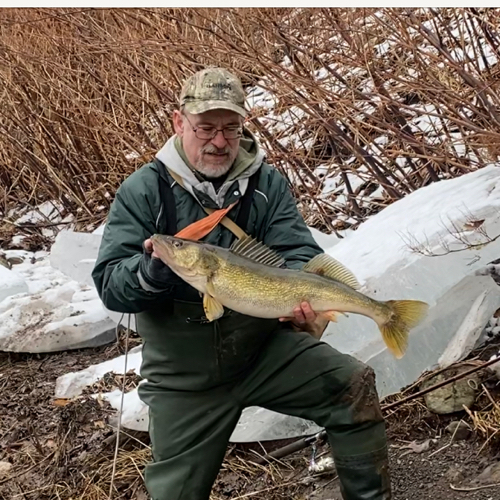
- Explore Lake Ontario's Fishing Wonders!


Summary
Catch yellow bass on a fishing charter with Captain Mike Klikus of Finhooker Charters on Wednesday, August in Mexico, NY. Yellow bass thrive in Lake Ontario's cool waters, offering an exciting freshwater fishing experience for anglers seeking a unique species encounter.
Fishing Charter with Captain Mike Klikus - Rates & Booking
Captain Mike Klikus of Finhooker Charters operates fishing charters on Lake Ontario near Mexico, NY on Wednesday, August. Book your yellow bass fishing adventure to experience one of Lake Ontario's most rewarding freshwater species. Contact Finhooker Charters to reserve your spot and confirm current availability and rates for your group.
Highlights of Your Lake Ontario Fishing Experience
Yellow bass fishing on Lake Ontario offers anglers the chance to encounter a species that combines aggressive feeding behavior with challenging pursuit tactics. Lake Ontario's expansive waters and varied structure create ideal conditions for locating and catching yellow bass throughout the season. The experience combines technical fishing skills with the natural beauty of New York's largest Great Lake.
This freshwater fishery rewards preparation and patience, with yellow bass showing seasonal patterns that experienced guides understand intimately. The thrill of connecting with this species, coupled with Lake Ontario's dynamic environment, makes for a memorable fishing day.
Local Species Insights: Yellow Bass
Yellow bass are a distinctive freshwater species found in Lake Ontario and other North American waters. These fish display olive-green to yellow coloring on their sides, with dark lateral stripes that become more prominent during certain seasons. Yellow bass typically inhabit areas with moderate structure - rocky points, underwater ledges, and transitional zones where shallow water meets deeper basins.
Understanding yellow bass behavior is essential for successful fishing. These fish are opportunistic feeders that respond to small baitfish and artificial lures that mimic natural prey. Yellow bass often school together, meaning successful presentations in one area can yield multiple fish. Their feeding patterns fluctuate based on water temperature, light conditions, and seasonal movements across the lake.
On Lake Ontario, yellow bass tend to congregate near areas with good oxygenation and adequate food sources. Spring and early summer typically see increased activity as water temperatures rise and fish move into shallower feeding zones. Understanding these seasonal movements helps guides position anglers for maximum success. Yellow bass mouth structure is delicate, requiring slightly lighter tackle and careful handling to ensure clean hooksets and successful landings.
The fishing techniques that work best for yellow bass on Lake Ontario often involve vertical presentations or horizontal retrieves at specific depth ranges where the species congregates. Guides skilled in reading lake structure can identify productive zones quickly, allowing anglers to focus their efforts efficiently rather than spending time searching open water.
Fishing in Lake Ontario: Yellow Bass
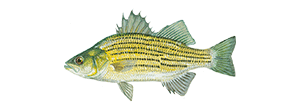
Yellow Bass Overview
The Yellow Bass, scientifically known as Morone Mississippiensis, is a vibrant member of the Moronidae family within the order Perciformes. This slender, silvery-yellow gamefish is instantly recognizable by its distinctive 5-7 horizontal stripes running across its body and its forked tail. What makes the Yellow Bass particularly special is its remarkable speed and schooling behavior—these fish are known to travel in coordinated groups, making them an exciting target for anglers seeking fast-action fishing experiences. Found throughout lakes and rivers across North America, the Yellow Bass represents an underrated gem in the freshwater fishing world, offering scrappy fights despite their modest size.
Yellow Bass Habitat and Distribution
Yellow Bass thrive in both lakes and rivers, showing a strong preference for shallow waters typically found 2 to 3 feet below the surface near shorelines. These fish are structure-oriented and actively seek out rocky substrates, sandy bottoms, and gravelly areas where they can hunt efficiently. They gravitate toward areas with rock formations and natural cover, making rocky shores ideal locations for anglers to begin their search. The species tends to congregate in schools, which means that when you locate one Yellow Bass, others are likely nearby. This schooling tendency makes them predictable targets for those who understand their habitat preferences and movement patterns.
Yellow Bass Size and Weight
Typical Yellow Bass generally range from 12 to 18 inches in length and weigh approximately 1 pound on average. However, their growth potential is often limited by environmental factors rather than genetic constraints. While most catches fall within this moderate range, historical records document rare specimens reaching up to 2 pounds and 4 ounces, demonstrating that these feisty fighters can achieve impressive sizes under ideal conditions. Unfortunately, overcrowding in their native habitats frequently stunts their growth, as dense populations compete for limited food resources. Despite their typically modest proportions, Yellow Bass compensate with incredible fighting spirit and abundance, making them perfect for anglers seeking quantity and excitement rather than trophy-sized specimens.
Yellow Bass Diet and Behavior
Young Yellow Bass begin their lives as bottom feeders, consuming tiny crustaceans called copepods and small aquatic insects. As they mature, their diet expands to include a diverse mix of aquatic insects and increasingly, smaller fish and minnows. Adult Yellow Bass are particularly aggressive hunters, often stalking in coordinated school formations to ambush prey more effectively. These fish are known for their exceptional speed and agility, traits that help them both pursue prey and escape predators. The schooling behavior of Yellow Bass is one of their most defining characteristics—they rarely hunt alone, instead preferring the safety and efficiency of group dynamics. When a school encounters a concentration of minnows, the resulting feeding frenzy can create some of the most thrilling moments in freshwater fishing. Despite their small individual size, Yellow Bass possess outsized personalities and competitive drive, making them far more valuable to anglers than many realize.
Yellow Bass Spawning and Seasonal Activity
Yellow Bass exhibit prolific reproductive behavior, spawning frequently throughout their breeding seasons. This high reproductive rate is actually one of the primary factors contributing to their growth-stunting phenomenon—populations become dense quickly, and food resources can't support rapid individual growth. Their relatively short lifespan of only up to 7 years means that Yellow Bass populations turn over quickly, creating dynamic fishing conditions that change seasonally. During spring, when spawning activity peaks, Yellow Bass become particularly aggressive and reactive to lures and live bait. Summer months bring additional feeding pressure as young-of-the-year fish develop, creating excellent opportunities for both experienced and novice anglers. Understanding these seasonal breeding cycles helps anglers predict when and where Yellow Bass will be most active and receptive to fishing pressure.
Yellow Bass Techniques for Observation and Capture
Live Bait Method: Spring fishing for Yellow Bass demands live minnows as your primary bait choice, as spawning fish are particularly aggressive toward natural prey presentations. During summer months, transition to nightcrawlers or cut bait to maintain consistent catches while reducing the frequency of bait replacement. Drop your bait approximately 6 inches off the bottom, allowing it to drift naturally through their feeding zones. Use lightweight tackle with artificial lures weighing between 1/16 and 1/64 of an ounce—these modest weights match the Yellow Bass's small mouth and feeding preferences perfectly.
Fly Fishing Approach: Yellow Bass respond exceptionally well to fly fishing techniques, particularly when using beaded nymphs that mimic their natural food sources. Work these patterns near rocky bottom structures and sandy substrates where Yellow Bass congregate. The combination of light line and delicate presentation often produces explosive strikes from schooling fish.
School Stalking Strategy: Once you locate a school, resist the temptation to cast immediately. Instead, observe the school's movement patterns and feeding direction for several minutes. Watch how they navigate through structure and identify their preferred hunting corridors. This patience pays dividends when you finally deploy your lure in their path—you'll often trigger multiple strikes from competitive schoolmates, turning a single discovery into an extended fishing session. Around coastal lakes and riverine systems throughout the region, this stalking approach combined with proper depth control consistently produces excellent results.
Yellow Bass Culinary and Utilization Notes
Yellow Bass possess average food quality and are considered an edible freshwater fish with mild, delicate white flesh. While they lack the robust flavor profile of larger bass species, they provide reasonable table fare when properly prepared. Their small individual size means most anglers retain them more for the sport and abundance of action rather than culinary reward. From a sustainability perspective, Yellow Bass populations are generally robust due to their prolific breeding habits, making them an excellent choice for catch-and-release fishing or casual harvesting without ecological concern. Many anglers practice selective retention, keeping only a modest number for fish fries while returning the majority to continue providing excellent recreational opportunities.
Yellow Bass Frequently Asked Questions
Q: What is the best bait for catching Yellow Bass?
A: Spring fishing calls for live minnows, which Yellow Bass find irresistible during spawning season. Summer anglers should switch to nightcrawlers or cut bait, which remain effective while being more economical and convenient. Beaded nymphs work exceptionally well for fly fishers targeting schooling fish near bottom structures.
Q: Where can I find Yellow Bass in my local lakes and rivers?
A: Look for rocky shores, sandy substrates, and gravelly bottom areas in shallow water—typically 2 to 3 feet deep near the shoreline. Yellow Bass congregate around structure and prefer areas with visible rock formations. Once you locate one fish, scan the surrounding area carefully, as schoolmates are rarely far away.
Q: Is Yellow Bass good to eat?
A: Yellow Bass offer average food quality with mild white flesh suitable for pan-frying or fish fries. While they don't match larger bass species in flavor intensity, they provide reasonable table fare when properly cleaned and prepared. Most anglers value them more for recreational sport than culinary purpose.
Q: When is the best time to catch Yellow Bass?
A: Spring offers peak action during spawning season when fish are most aggressive and reactive. Summer continues to provide excellent opportunities as young fish develop and hunger increases. Look for increased activity during low-light periods—early morning and late evening—when schools move into shallower feeding zones.
Q: Why are Yellow Bass so small compared to other bass species?
A: Yellow Bass reproduce extensively, creating dense populations that compete for limited food resources. This intense intraspecific competition stunts individual growth, even though the species possesses genetic potential for larger sizes. Their short 7-year lifespan means populations turn over rapidly, perpetuating this growth-limitation cycle.
Q: Are Yellow Bass considered a valuable gamefish?
A: Absolutely. While often overlooked due to their modest size, Yellow Bass offer incredible fighting spirit, speed, and schooling behavior that creates exciting fishing opportunities. Their abundance and aggressive nature make them perfect for anglers seeking action-packed sessions and consistent success, regardless of skill level.